Why Video Production and Post-Production Are Equally Important
September 12, 2026
Durga Thakkar
5 MIN READ
Table of Contents
Introduction
Video has become one of the most powerful ways for brands to communicate, educate, entertain, and influence audiences. From short-form social media videos and product films to brand stories, advertisements, testimonials, and explainer videos, businesses increasingly depend on video to communicate their message across multiple digital platforms.
However, creating an effective video involves much more than simply recording good footage. Video production determines what is captured during the shoot, while post-production transforms that raw material into a finished piece of content. Both stages influence how the audience experiences the story, understands the message, and perceives the brand.
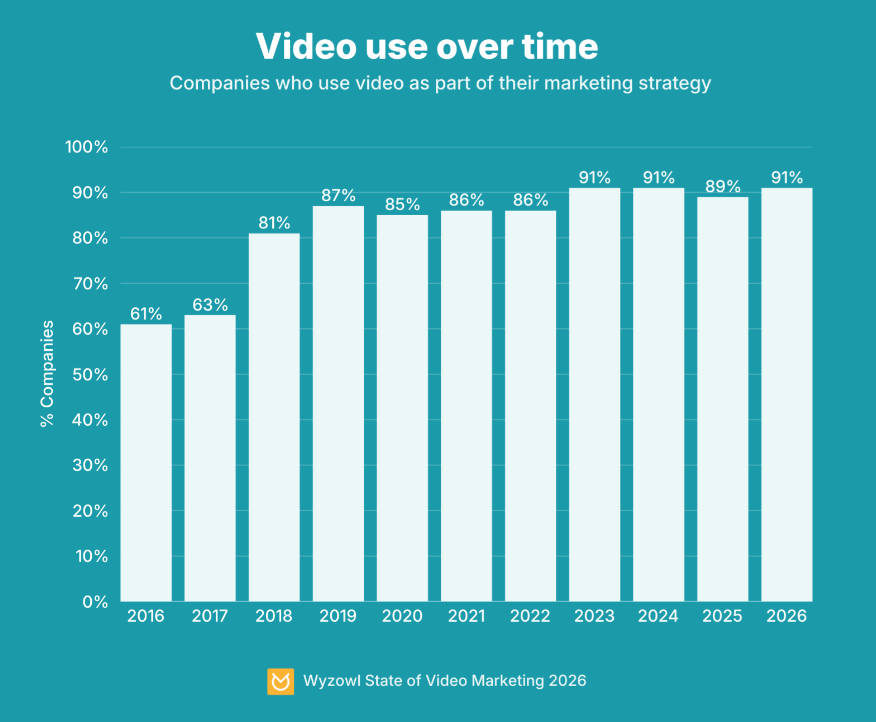
In 2026, this balance is becoming even more important. Video remains a core marketing format, with 91% of businesses surveyed by Wyzowl reporting that they use video as a marketing tool. Social media videos are also the most commonly created video type, followed closely by explainer videos.
So, what makes both stages essential? Let us explore how production and post-production work together to create video content that captures attention, communicates clearly, and supports business goals.
Video Production Builds the Foundation of the Content
Video production is the stage where an idea becomes tangible. It includes everything involved in preparing for and executing the shoot, from planning the concept and selecting locations to setting up lighting, cameras, sound, talent, and direction. The quality of decisions made during production directly affects the material available during post-production.
A strong production process gives editors high-quality footage and enough creative flexibility to build the final video effectively.
Concept and planning: Every successful video begins with a clear objective. Whether the goal is brand awareness, product education, lead generation, or social engagement, production needs to be planned around the intended audience and message.
Visual quality: Camera composition, framing, lighting, exposure, and lens selection determine how professional the footage looks. Strong visuals create an immediate impression and help establish the perceived quality of a brand. According to Wyzowl’s 2026 Video Marketing Statistics, 89% of consumers say video quality affects their trust in a brand, making production quality an important factor in how audiences perceive businesses.
Direction and performance: Even technically excellent footage can feel ineffective if the people on camera lack direction. Good production ensures that presenters, actors, creators, or employees communicate naturally and deliver the intended message.
Location and set design: The environment surrounding the subject contributes to the story. A carefully selected location, background, props, and set design can reinforce brand identity and make the video more visually engaging.
Audio capture: Clear dialogue and controlled sound are essential for understanding a video's message. Production teams need to consider microphones, ambient noise, room acoustics, and recording conditions before filming.
Coverage and variations: Shooting multiple angles, takes, close-ups, wide shots, transitions, and supporting footage gives editors more options later. This is particularly important for short-form content, where pacing and visual changes can influence viewer retention.
Brand consistency: Production should reflect the visual language of the brand through colours, styling, environments, compositions, products, and overall presentation. Consistency helps audiences recognise the brand across different pieces of content.
Post-Production Turns Raw Footage Into a Powerful Story
Once filming is complete, post-production begins. This is where editors, motion designers, sound specialists, colourists, and other creative professionals shape the raw footage into a coherent final experience.
Post-production is not simply about cutting unnecessary clips. It determines the rhythm, emotional impact, clarity, visual consistency, and overall storytelling quality of the video.
Wistia’s 2026 State of Video Report, based on more than 13 million videos and 79 million hours of viewing data, found that businesses are being asked to produce more videos for more platforms and audiences, increasing the need to efficiently repurpose existing content.
Editing creates structure: Raw footage rarely follows a perfect beginning-to-end narrative. Editors select the strongest takes, remove unnecessary material, arrange scenes, and create a logical flow that guides viewers through the story.
Pacing maintains attention: The length of shots, speed of cuts, pauses, transitions, and movement all affect how a viewer experiences a video. Effective pacing is particularly important for social media content, where audiences can quickly scroll past content that does not hold their attention.
Colour correction improves consistency: Different cameras, lighting conditions, and locations can create inconsistencies between shots. Colour correction and grading help establish a cohesive visual appearance while supporting the desired mood.
Sound design strengthens impact: Music, dialogue, ambient sounds, sound effects, and audio transitions can dramatically change how a scene feels. Professional sound design makes content more immersive and helps important moments stand out.
Motion graphics clarify information: Text animations, icons, charts, product callouts, subtitles, and visual effects can make complicated information easier to understand. This is especially useful for explainer videos, advertisements, corporate videos, and educational content.
Visual effects enhance storytelling: Post-production can remove distractions, create transitions, add compositing, improve visuals, or introduce creative effects that were not possible during the shoot.
Final formatting supports distribution: A video created for YouTube may require a different format from one created for Instagram, LinkedIn, a website, or a digital advertisement. Post-production can adapt content into different aspect ratios, resolutions, durations, and versions for specific platforms.
Create high-quality videos from concept to final cut with Production & Content Services designed to make every production stage count.
Production and Post-Production Work Together to Maximise Video Performance
Production and post-production are often discussed as separate stages, but their real value comes from how closely they work together. Decisions made during filming affect editing possibilities, while the intended editing style should influence production decisions from the beginning.
When both teams work toward the same creative objective, the final video becomes more cohesive and effective.
According to Meta’s 2025 India study conducted with IPSOS, 92% of surveyed Indian users preferred Reels over other short-form video formats, while Instagram Reels generated approximately 33% higher creator engagement than the other surveyed platforms
BCG’s 2025 report on India’s creator economy estimates that 2–2.5 million monetised creators influence more than $350–400 billion in consumer spending, showing the growing commercial influence of creator-led video content in India.
Production should be planned with editing in mind: Editors need enough footage to create transitions, maintain continuity, and build the intended narrative. Planning shots with the final edit in mind prevents creative limitations later.
Storytelling begins before the camera rolls: A strong script, storyboard, shot list, and production plan give the post-production team a clear narrative framework. This reduces unnecessary footage and makes the editing process more efficient.
Consistency connects every scene: Matching lighting, framing, colours, audio, wardrobe, and continuity during production makes post-production smoother. Consistent footage requires fewer corrective edits and produces a more polished final product.
Multiple content formats become possible: A strategically planned shoot can generate a long-form video, short-form clips, advertisements, teasers, testimonials, behind-the-scenes content, and social media cutdowns. This helps brands maximise the value of one production investment.
Brand messaging stays aligned: Production establishes the setting and visual identity, while post-production reinforces that identity through graphics, typography, music, transitions, colour, and editing style. Together, these elements create a recognisable brand experience.
Audience engagement improves: Production captures attention through compelling visuals and performances, while post-production maintains attention through pacing, storytelling, sound, and visual movement. Both are required to keep viewers engaged throughout the content.
Business objectives remain central: A technically impressive video is not necessarily an effective marketing asset. Production and post-production should work together to ensure that the final video supports a measurable objective, whether that means increasing awareness, explaining a product, generating leads, driving website traffic, or supporting sales.
Quality Video Needs Both Creative Craft and Strategic Optimisation
A finished video does not stop being a marketing asset once editing is complete. It needs to be distributed, discovered, understood, and experienced correctly. This makes optimisation another important consideration when evaluating the value of production and post-production.
High-quality video can support visibility, engagement, and brand trust, but only when its creative and technical execution are aligned with where and how audiences consume it. Statista data reported in 2026 shows that online video attracted approximately ₹200 billion in digital advertising spend in India during 2025, making it one of the country's largest digital advertising formats.
Strong visuals build trust: Audiences often associate the quality of a brand's content with the quality of the brand itself. Wyzowl's 2026 research found that 89% of consumers say video quality affects their trust in a brand.
Clear messaging improves understanding: A well-produced video attracts attention, while effective editing removes distractions and makes the message easier to follow. In the same research, 93% of video marketers reported that video helped increase users' understanding of their product or service.
Platform-specific editing increases usability: Different platforms have different audience behaviours and content requirements. Creating versions for vertical, square, and landscape formats allows brands to distribute content effectively instead of forcing one format everywhere.
Video SEO improves discoverability: Google states that videos can appear across Search, Video mode, Google Images, and Discover. It recommends making videos discoverable and indexable and providing relevant metadata and structured data where appropriate.
Thumbnails and metadata matter: A strong thumbnail, relevant title, accurate description, and appropriate video information help communicate what the video contains. Google specifically recommends high-quality thumbnails and consistent video information for eligible video features.
Repurposing increases content value: One well-planned production can generate multiple assets. A long-form video can be converted into short clips, social posts, advertisements, teasers, educational snippets, and website content, allowing brands to extend the life of their investment.
Performance should guide future content: Video views alone do not tell the complete story. Engagement, clicks, leads, retention, conversions, and other relevant metrics can reveal what audiences respond to and help improve future production and post-production decisions.
Elevate your video content with Production & Content Services that ensure your production and post-production work together seamlessly.
Conclusion
Great video content is the result of multiple creative and technical decisions working together. Video production establishes the foundation through planning, direction, cinematography, lighting, sound, performance, and visual storytelling. Post-production then transforms that foundation through editing, colour grading, sound design, motion graphics, visual effects, and platform-specific optimisation.
Neither stage should be treated as more important than the other.
A beautifully shot video with poor editing can feel slow, confusing, or disconnected. Likewise, exceptional editing cannot completely fix footage that was poorly planned, badly lit, or inadequately recorded. The strongest results come when production and post-production are considered one connected creative process.
As video continues to dominate digital communication, businesses that invest in both sides of the process can create content that does more than capture attention, it can build understanding, strengthen brand perception, encourage engagement, and support measurable business growth.
Looking to create videos that make an impact? Partner with Scratchpad for Production & Content Services built around strategic production and creative post-production.
FAQs
1. What is video production? Video production is the process of planning, filming, and creating video content for a specific purpose or audience.
2. What are the five stages of video production? The five stages are development, pre-production, production, post-production, and distribution.
3. What are the different types of video production? Common types include commercials, corporate videos, product videos, explainer videos, social media videos, documentaries, and event videos.
4. What is the difference between pre-production, production, and post-production? Pre-production involves planning, production involves filming, and post-production involves editing and finalising the footage.
5. What is done in post-production? Post-production includes editing, colour correction, sound design, motion graphics, visual effects, and final formatting.
RECENT BLOGS
When Brands Should Experiment With New-Age Marketing Channels
How SMO Improves Organic Reach and Engagement
Why Video Production and Post-Production Are Equally Important

.png)